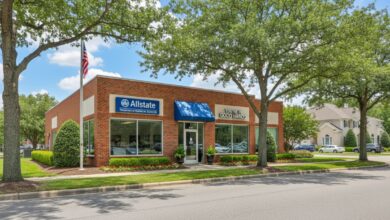
Comprehensive Guide to Allstate Landlord Insurance Policies: Protecting Your Rental Investment

Introduction to Landlord Insurance
Investing in rental property can be a lucrative venture, but it carries a unique set of risks that differ significantly from standard homeownership. Whether you own a single-family home, a condominium, or a multi-unit apartment building, standard homeowners insurance is typically insufficient to cover the complexities of a business-oriented rental arrangement. This is where the Allstate landlord insurance policy, also known as rental property insurance, becomes an essential component of a landlord’s risk management strategy.
Allstate, one of the most recognized names in the American insurance industry, offers specialized policies designed to protect landlords from financial losses associated with property damage, legal liability, and loss of rental income. This article provides an in-depth exploration of what an Allstate landlord insurance policy entails, the coverage options available, and why it is a critical safeguard for property investors.






Why Homeowners Insurance Isn’t Enough
A common misconception among new landlords is that their existing homeowners insurance policy will cover their rental property. In reality, most homeowners policies explicitly exclude coverage for properties used for business purposes, which includes long-term or short-term rentals. If a claim arises from a rental property under a homeowners policy, the insurer is likely to deny it.
Allstate’s landlord insurance is specifically tailored to address the ‘business’ aspect of property ownership. It accounts for the fact that the owner does not reside on-site and that the property is subject to different wear-and-tear patterns and liability risks compared to a primary residence.
Core Coverage Components of Allstate Landlord Insurance
An Allstate landlord policy typically includes several fundamental layers of protection. Understanding these components is vital for ensuring your investment is adequately shielded.
1. Dwelling Protection
Dwelling protection is the foundation of any property insurance policy. For a landlord, this covers the physical structure of the rental home. Allstate provides coverage for the dwelling against a wide range of ‘perils,’ including fire, smoke, windstorms, hail, and lightning. If a covered event damages the roof, walls, or foundation of the building, the policy helps pay for repairs or reconstruction.
It is important to note that dwelling protection typically applies to the structure itself and any attached structures, such as an attached garage or a deck. It does not cover the personal belongings of the tenants, who should carry their own renters insurance for that purpose.
2. Other Structures Protection
Many rental properties include detached structures such as sheds, fences, or detached garages. Allstate’s policy extends coverage to these ‘other structures’ on the property. This ensures that if a storm knocks down a fence or a fire destroys a detached workshop, the landlord is not forced to pay for the replacement entirely out of pocket.
3. Liability Coverage
Perhaps the most critical aspect of a landlord policy is liability protection. As a property owner, you can be held legally responsible for injuries that occur on your premises. For example, if a tenant slips on an icy walkway that was not properly salted, or if a guest is injured due to a faulty railing, you could face a significant lawsuit.
Allstate landlord insurance helps cover the legal fees, court costs, and any settlements or judgments awarded to the injured party, up to the policy’s limits. This protection is vital for preserving your personal and business assets in the event of a high-value legal claim.

Specialized Add-ons and Optional Coverages
Allstate recognizes that every rental situation is unique. Therefore, they offer several optional coverages that can be added to a base policy to provide more comprehensive protection.
Loss of Rental Income (Fair Rental Value)
If a covered peril, such as a major fire, makes your rental property uninhabitable, you lose the ability to collect rent while the building is being repaired. For many landlords, this loss of cash flow can be devastating, especially if there is a mortgage to pay. Allstate’s ‘Fair Rental Income’ coverage compensates you for the lost rent during the period the property is undergoing repairs, ensuring that your financial obligations can still be met.
Vandalism and Burglary Coverage
While dwelling protection covers damage from many natural causes, it may not automatically cover intentional damage caused by third parties or theft. Allstate allows landlords to add vandalism and burglary coverage. This is particularly important for properties in high-turnover areas or locations where the property might sit vacant for periods between tenants.
Building Code Upgrades
When a property needs major repairs after a loss, local building codes may have changed since the structure was originally built. These codes might require more expensive materials or different construction methods. Standard insurance policies usually only pay to restore the building to its original state. The Building Code Upgrade coverage helps cover the additional costs associated with meeting modern regulatory requirements.
Understanding What is Not Covered
Even a robust policy from Allstate has exclusions. It is vital for landlords to understand these gaps to avoid surprises during a claim. Common exclusions include:
1. Maintenance Issues: Insurance is designed for sudden and accidental losses. Slow leaks, termite infestations, or general wear and tear are considered maintenance responsibilities and are not covered.
2. Flooding: Damage caused by rising surface water or overflowing bodies of water requires a separate flood insurance policy, typically through the National Flood Insurance Program (NFIP).
3. Tenant Personal Property: As mentioned earlier, the landlord’s policy does not cover the tenant’s furniture, electronics, or clothing. Encouraging or requiring tenants to purchase renters insurance is a best practice for every landlord.
Factors Affecting Allstate Premiums
The cost of an Allstate landlord insurance policy depends on several factors. Key variables include the location of the property (areas prone to natural disasters or high crime rates will have higher premiums), the age and condition of the building, the amount of coverage selected, and the deductible amount. Additionally, installing safety features like smoke detectors, deadbolts, and security cameras can often lead to discounts.
Allstate also offers multi-policy discounts. If you bundle your landlord insurance with your personal auto insurance or your primary homeowners insurance, you may be eligible for a significant reduction in total premiums.
Conclusion: The Value of Professional Protection
Owning rental property is a business, and like any business, it requires professional protection. An Allstate landlord insurance policy offers more than just financial compensation; it offers peace of mind. By covering the physical structure, providing a shield against liability, and ensuring that rental income is protected during repairs, Allstate allows property owners to focus on growing their portfolios rather than worrying about the ‘what-ifs.’
While the cost of insurance is an added expense, the cost of being uninsured in the face of a disaster or a lawsuit is infinitely higher. For any serious real estate investor, a comprehensive landlord insurance policy is not just an option—it is a necessity.